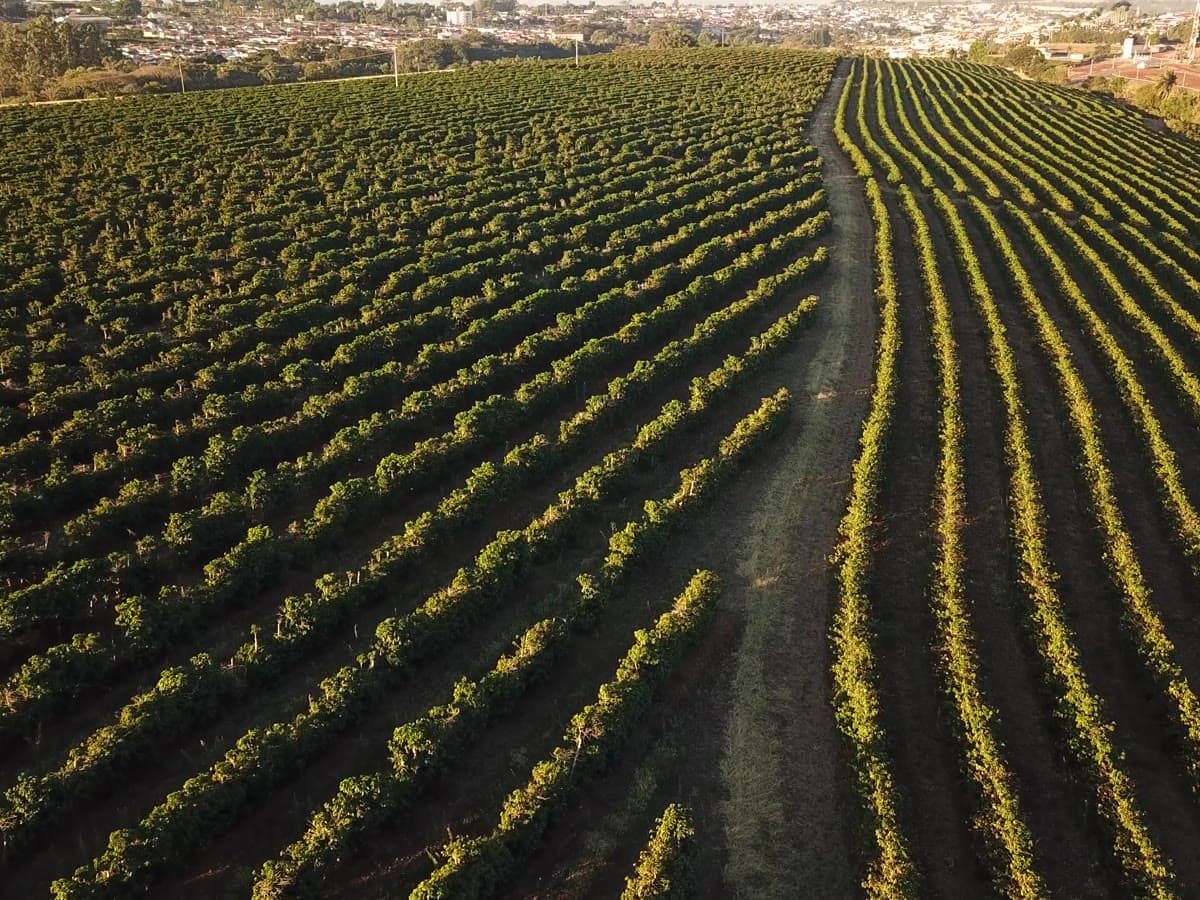
Carmo de Minas is the kind of place a traveler can pass through too quickly.
It is a small town in Minas Gerais, inside the Mantiqueira de Minas coffee region, and it does not behave like the obvious Brazil itinerary. The point is not a crowded beach or a famous skyline. The point is the slower thing: coffee fields, mountain weather, small cafes, local roads, farm visits, and people who can tell you what the place means if you can stay in the conversation.
That is the travel use case for translation.
You can visit Carmo de Minas and order coffee without speaking much Portuguese. But if you want to understand the locals, you need more than pointing and smiling. You need to ask where the beans came from. You need to understand when someone explains natural, washed, or pulped natural processing. You need to ask whether a cafe sells the beans it serves, whether a farm accepts visitors, which road is better, and what locals actually recommend.
Brazilian Portuguese turns the trip from a stop into a conversation. Vavus makes that possible even when your Portuguese is not strong.
Why this place works for a summer post
For travelers in the Northern Hemisphere, Carmo de Minas is an eccentric summer idea because it is not trying to be summer in the usual way. July in Brazil is winter, but the coffee mountains are cooler and drier, and the region is tied to harvest-season energy rather than beach-season noise.
That contrast is the story. Instead of another sunny waterfront, the travel hook is a small coffee town where the reward is local texture: red coffee cherries, roasters, drying patios, road signs, quiet cafes, and people explaining the place in their own language.
Carmo de Minas sits within Mantiqueira de Minas, a protected Brazilian coffee origin. The official Brazilian INPI technical sheet describes Mantiqueira de Minas as a Denomination of Origin covering 25 municipalities and focused on Arabica coffee grown in mountain conditions. Sucafina also notes the local meaning often attached to Mantiqueira: from the Tupi word amantikir, translated as "where the mountains cry."
That is a better travel line when you can ask someone what it means locally.
What you can ask locals
The simple tourist version is:
-Where is a good cafe?
-Can I buy beans?
-What is this dish?
-How do I get to the farm?
The better version is more human:
-Which farm does this coffee come from?
-What does this town feel like during harvest?
-Is this coffee natural, washed, or pulped natural?
-What do people here drink at home?
-Which cafe do locals actually like?
-Can I visit without bothering anyone?
-Is there a polite way to ask for a cupping?
-What should I not miss while I am here?
Those are not phrasebook questions. They are conversation questions. They require follow-up. They require tone. They require understanding enough of the answer to respond like a person.
That is where a translator changes the trip.
How Vavus fits the visit
Use Vavus Keyboard before you arrive. Message a cafe, a small inn, a driver, or a farm contact in Brazilian Portuguese. Ask opening hours, whether visits are possible, whether they sell beans, and whether you need to schedule ahead. Reverse-translate your message before sending so you know what the Portuguese says.
Use Vavus AI when you are there. If a local starts explaining something out loud, switch to live conversation translation. If someone calls you back, use translated calls instead of letting the opportunity disappear. If a sign, menu, coffee label, receipt, map, or note is in Portuguese, use camera translation.
The workflow is simple:
-Vavus Keyboard for typed travel messages, WhatsApp, Instagram DMs, booking notes, directions, and thank-you follow-ups.
-Vavus AI for local conversations, calls, signs, menus, labels, receipts, and what to say next.
That split matters because travel is not one language problem. It is typing, speaking, reading, listening, and following up.
Small phrases that open bigger conversations
Save these before visiting:
-"Qual café você recomenda aqui?" - Which coffee do you recommend here?
-"Esse café vem de qual fazenda?" - Which farm is this coffee from?
-"Posso comprar os grãos que vocês usam?" - Can I buy the beans you use?
-"Vocês fazem visitas ou provas de café?" - Do you offer visits or coffee tastings?
-"Qual é a melhor forma de chegar lá?" - What is the best way to get there?
-"O que os moradores daqui recomendam?" - What do locals here recommend?
-"Obrigado por me explicar." - Thank you for explaining it to me.
The goal is not to perform perfect Portuguese. The goal is to show that you care enough to ask clearly and listen.
Understanding locals is the point
A good translator should not make every place feel generic. It should help you notice more of the place you are actually in.
In Carmo de Minas, that means understanding that coffee is not just a cup. It is weather, altitude, family work, cooperative knowledge, processing choices, harvest timing, and local pride. It means hearing why someone recommends one cafe over another. It means knowing whether a message sounds polite before you send it. It means asking permission before entering a farm space. It means thanking people in a way that feels natural.
When you can communicate, locals stop being scenery in your travel content. They become the reason the trip works.
That is why Carmo de Minas is a strong Vavus travel use case: a small place gets much bigger when translation lets you understand the people inside it.
Source notes
The coffee-region facts in this post are grounded in the official INPI technical sheet for Mantiqueira de Minas and Sucafina's profile of Mantiqueira de Minas coffee.
For the business version of this idea, read Talking to Brazilian coffee farmers in Carmo de Minas with translation.
Learn more at https://vavusai.com.