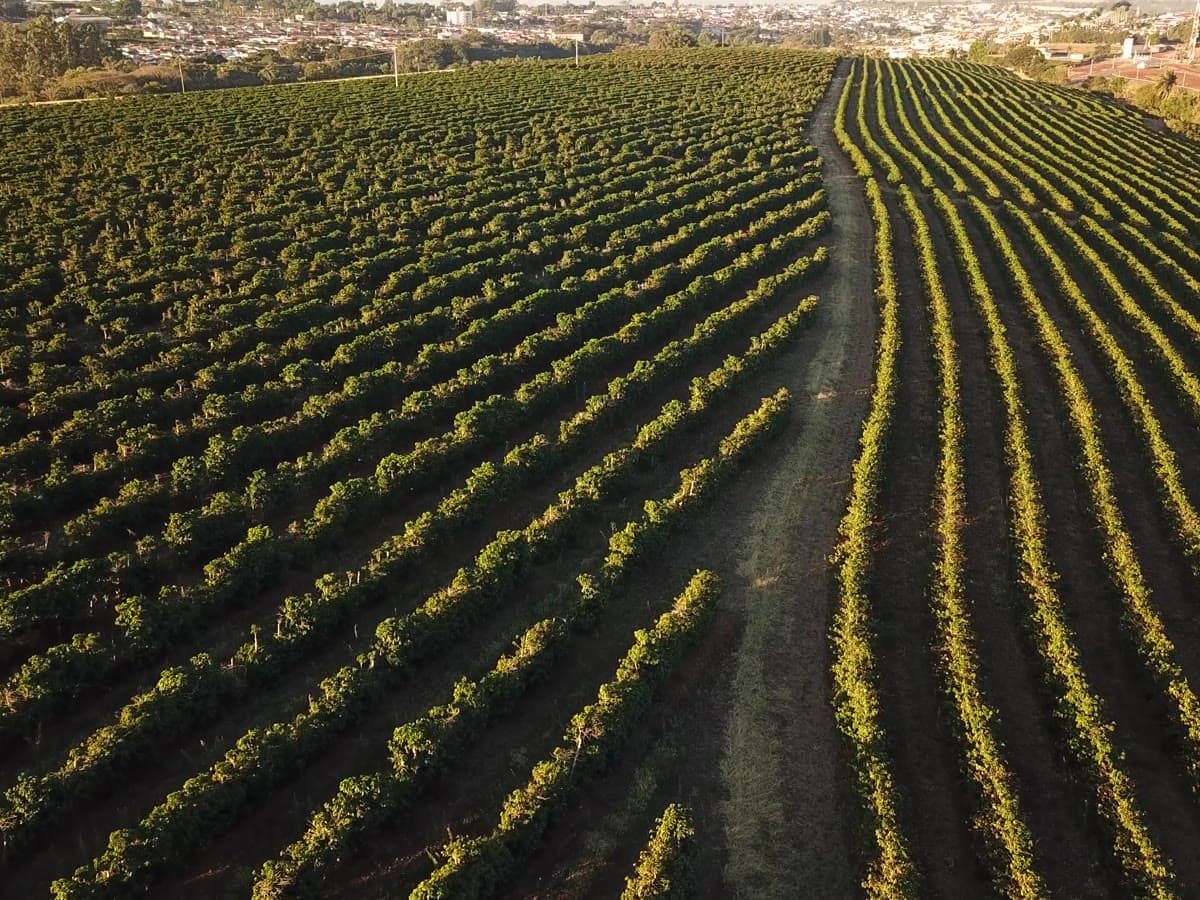
Carmo de Minas is not the Brazil most business travelers picture first. It is not a giant port city, a trade-show stop, or a polished sourcing conference. It is a small coffee town in Minas Gerais, inside the Mantiqueira de Minas coffee region, where the serious conversation starts only when you can ask questions.
That is why it is a strong business-travel use case for translation.
If you arrive as a roaster, cafe owner, importer, creator, or small operator, you are not only buying a drink. You are trying to understand the people behind a product. You may need to ask which farm a lot came from, how it was processed, whether the producer works through a cooperative, whether visits or cuppings are possible, and what a respectful next step should look like.
The connection changes when you can text them, call them, and speak with them in Brazilian Portuguese.
Why Carmo de Minas is worth the detour
Carmo de Minas is part of Mantiqueira de Minas, a protected coffee origin in Brazil. The official Brazilian INPI technical sheet describes Mantiqueira de Minas as a Denomination of Origin covering 25 municipalities, focused on Arabica coffee grown in mountain conditions. The region is associated with sweetness, acidity, and body, which is exactly the kind of language coffee people care about when they talk about quality.
There is also a beautiful local texture behind the name. Sucafina notes that Mantiqueira comes from the Tupi word amantikir, often translated as "where the mountains cry." The same coffee profile notes that COCARIVE, the regional cooperative, has laboratory, storage, and milling operations in Carmo de Minas. In other words, this is not a random cafe town. It is a place where coffee is grown, evaluated, processed, discussed, and sold.
For a coffee buyer or small business traveler, that makes Carmo de Minas useful in the right way. It is not a generic coffee aesthetic. It is a place where language can affect whether a producer answers your message, whether a visit feels respectful, and whether the relationship continues after you leave.
Where translation changes the relationship
The simple version is ordering coffee. The better version is understanding what you are drinking.
A barista may tell you the coffee is natural, washed, or pulped natural. A producer may explain the harvest, the patio drying, the altitude, the lot, or the cooperative. A driver may know which road is better after rain. Someone at a small restaurant may recommend the dish locals actually eat. A farm contact may prefer WhatsApp over email. A cooperative office may answer faster if your message is polite, specific, and written in Portuguese.
None of that is about memorizing a tourist phrase.
It is about staying inside the conversation long enough for people to open up. Translation helps you ask a second question. Then a third. It helps you hear the difference between a rehearsed answer and a local story. It helps you follow the cultural rhythm: greeting first, asking respectfully, not rushing straight to price, and showing that you care about the place behind the product.
Doing business with a coffee plantation
Imagine you want to visit a coffee farm or start a small relationship with a producer near Carmo de Minas. The first touch may be a message:
"Hello, I am visiting Carmo de Minas next week. I work with coffee and would love to learn about your farm. Is it possible to schedule a short visit or cupping?"
Translated badly, that can sound cold, demanding, or strange. Translated carefully into Brazilian Portuguese, it can sound respectful and specific:
"Olá, vou visitar Carmo de Minas na semana que vem. Trabalho com café e gostaria muito de conhecer melhor a fazenda de vocês. Seria possível agendar uma visita curta ou uma prova de cafés?"
That kind of message does two jobs. It communicates the request, and it signals respect. You are not treating the producer as scenery. You are meeting them in their language.
Then the conversation continues. You may need to ask:
-Which varieties do you grow?
-Is this lot natural, washed, or pulped natural?
-What altitude is this farm?
-Do you sell green coffee, roasted coffee, or both?
-What is the smallest order you can handle?
-Do you work with exporters or a cooperative?
-Can I visit the farm, the drying patio, or the cupping room?
-Can I buy the beans you use here?
The exact words matter because business travel is relationship travel. Coffee is emotional, local, and technical at the same time. Translation lets you handle all three.
Texting, calling, and speaking locally
This is where Vavus should feel practical.
Use Vavus Keyboard for WhatsApp, Instagram DMs, email, booking apps, notes, and follow-up messages. Draft in English, translate into Brazilian Portuguese, then reverse-translate before you send so you understand what your message actually says. That matters when you are asking for a farm visit, confirming a ride, checking prices, or thanking someone after a meeting.
Use Vavus AI when the conversation becomes live. At a cafe, in a cooperative office, on a farm road, or during a call, you need back-and-forth voice translation. You need to hear the answer, ask a follow-up, and keep the tone human. You may also need camera translation for labels, menus, invoices, signs, maps, receipts, and handwritten notes.
That is the real travel workflow: type before you arrive, talk while you are there, translate what you see, then follow up afterward.
Coffee phrases worth saving
Save these before the trip:
-"Posso comprar os grãos que vocês usam?" - Can I buy the beans you use?
-"Esse café é de qual fazenda?" - Which farm is this coffee from?
-"É natural, lavado ou cereja descascado?" - Is it natural, washed, or pulped natural?
-"Qual é a melhor forma de preparar esse café?" - What is the best way to brew this coffee?
-"Vocês fazem visitas ou provas de café?" - Do you offer visits or coffee tastings?
-"Posso ligar para confirmar o horário?" - Can I call to confirm the time?
-"Muito obrigado por me receberem." - Thank you very much for welcoming me.
The goal is not to perform perfect Portuguese. The goal is to show attention. Even when translation does the heavy lifting, the gesture matters.
Understanding culture is part of the product
A translation app should not flatten a place. It should help you notice more of it.
In Carmo de Minas, coffee is not just a drink. It is weather, altitude, family work, cooperative knowledge, harvest timing, processing choices, and local pride. If you only point at a menu, you miss most of the story. If you can ask why the coffee tastes the way it does, how the town talks about the mountains, what the harvest season feels like, and which cafe locals trust, you start to understand the area instead of just passing through it.
That is the deeper travel value: translation makes the connection stronger because it makes the visitor less passive.
A practical Vavus workflow for the trip
Before you go, use Vavus Keyboard to write the first messages in Portuguese. Ask for opening hours, farm visits, cuppings, directions, and whether they sell beans directly. Keep the tone warm and specific.
On the way, use Vavus AI to translate driver conversations, road questions, signs, and last-minute phone calls. If someone calls back instead of texting, answer with translation instead of letting the opportunity disappear.
At the cafe or farm, use live conversation translation to ask about the coffee. Use camera translation for bags, menus, labels, invoices, and tasting notes. If a local gives you a recommendation, translate it and save it.
Afterward, use Vavus Keyboard to send a thank-you message in Portuguese. If this is a business relationship, summarize what you discussed, confirm next steps, and keep the tone respectful. That follow-up can be the difference between a nice visit and a real connection.
Source notes
The coffee-region facts in this post are grounded in the official INPI technical sheet for Mantiqueira de Minas and Sucafina's profile of Mantiqueira de Minas coffee. The travel lesson is simple: places like Carmo de Minas reward curiosity, and curiosity works better when language is not blocking the conversation.
FAQ
Is Carmo de Minas famous?
It is not a giant tourist city, which is part of the appeal. In coffee circles, the Mantiqueira de Minas region has a serious reputation. For general travelers, Carmo de Minas still feels like a hidden, specific place.
Do I need Portuguese to visit?
You can get through many travel moments without strong Portuguese, but you will understand much more if you can communicate in Brazilian Portuguese. Translation helps with cafes, farm visits, rides, hotel messages, buying beans, and business follow-up.
Is this only for tourists?
No. It is also useful for roasters, cafe operators, importers, creators, and anyone doing coffee-related business travel. The relationship can start with a good message, deepen through a translated call, and continue through clear follow-up.
What should I not do?
Do not pretend translation makes you a local expert. Use it to ask better questions, listen more carefully, and show respect. For contracts, legal commitments, medical issues, or high-stakes business terms, bring in a qualified human professional.
Carmo de Minas is small. The coffee reputation is not. And if you can talk to the people behind the cup, the whole place gets bigger.