Most Morocco itineraries look the same: land in Marrakech, get lost in the souks, ride out to the Sahara, fly home. It is a great trip. It also skips the most photogenic town in the country — a whole medina painted blue, folded into the Rif Mountains four hours south of Tangier, where the tourist machine is thin and the language is not.
Chefchaouen (locals just say "Chaouen") is a hillside old town where nearly every wall, stair, and doorway is washed in blue — cobalt, powder, indigo, sky. Nobody fully agrees why: some say Jewish refugees brought the color in the 1930s, some say it keeps mosquitoes away, some say it is simply what the town became. Whatever the reason, walking up its lanes at first light, before the day-trippers arrive, feels like moving through a photograph that someone forgot to finish coloring in anything but blue.
Six things to do in Chefchaouen
Get lost in the blue medina. This is the main event and it is free. The old town is small enough that you cannot get badly lost and tangled enough that you will happily try. Go early — the light is best and the lanes are empty — and just wander uphill. Every corner is a different shade of blue and a different cat.
Climb to the Spanish Mosque at sunset. A fifteen-minute walk out of town gets you to an abandoned hilltop mosque with the single best view of Chefchaouen — the whole blue town poured down the mountainside, going gold as the sun drops. Bring water and go up with time to spare; half the town has the same idea, and the sunset is worth the crowd.
Cool off at Ras El Maa. At the top edge of the medina, a mountain stream tumbles out of the rock. Locals do laundry, kids swim, and cafes line the water with mint tea. It is where the town actually hangs out, and it is a good place to sit when your legs are done with the hills.
Hike toward Akchour and the God's Bridge. Thirty minutes out of town, the Talassemtane national park opens into waterfalls, turquoise pools, and a natural rock arch called the God's Bridge. A half- or full-day hike here is the reason to give Chaouen a second day instead of a quick photo stop.
Eat the mountain food. The Rif kitchen is its own thing: goat cheese from the hills, bissara (a warm split-pea soup poured for breakfast), tagines slow-cooked over coal, and mint tea poured from a great height. Prices are a fraction of Marrakech's, and the rooftop terraces come with a blue-town view.
Shop the things that are actually made here. Chaouen is known for wool blankets and garments woven in the surrounding villages, plus local goat cheese and honey. This is craft-market territory, not tourist-trinket territory — which also means haggling happens in Darija and French, not English.
The part nobody puts in the reel
Chefchaouen runs on Darija — Moroccan Arabic — with French as the common second language and Spanish lingering from the north. English gets thin fast once you step off the two main squares. The guesthouse owner's directions, the handwritten tagine menu, the price of a wool blanket, the shared-taxi driver calling out for Akchour, the pharmacy, the bus schedule back to Fes — most of it arrives in a language you probably do not read, in a script you may not recognize at all.
That is not a reason to skip it. It is a reason to arrive prepared:
-Signs and menus: point your camera at the Arabic-script board instead of guessing — Latin letters are not going to save you here.
-Conversations: a live voice translator turns a blanket negotiation or asking directions up a maze of blue lanes from pantomime into an actual conversation.
-Messages: booking a riad or confirming a shared taxi over WhatsApp is easier when you can write in your language and send in theirs.
-Documents: bus tickets, park permits, and receipts stop being mystery paperwork.
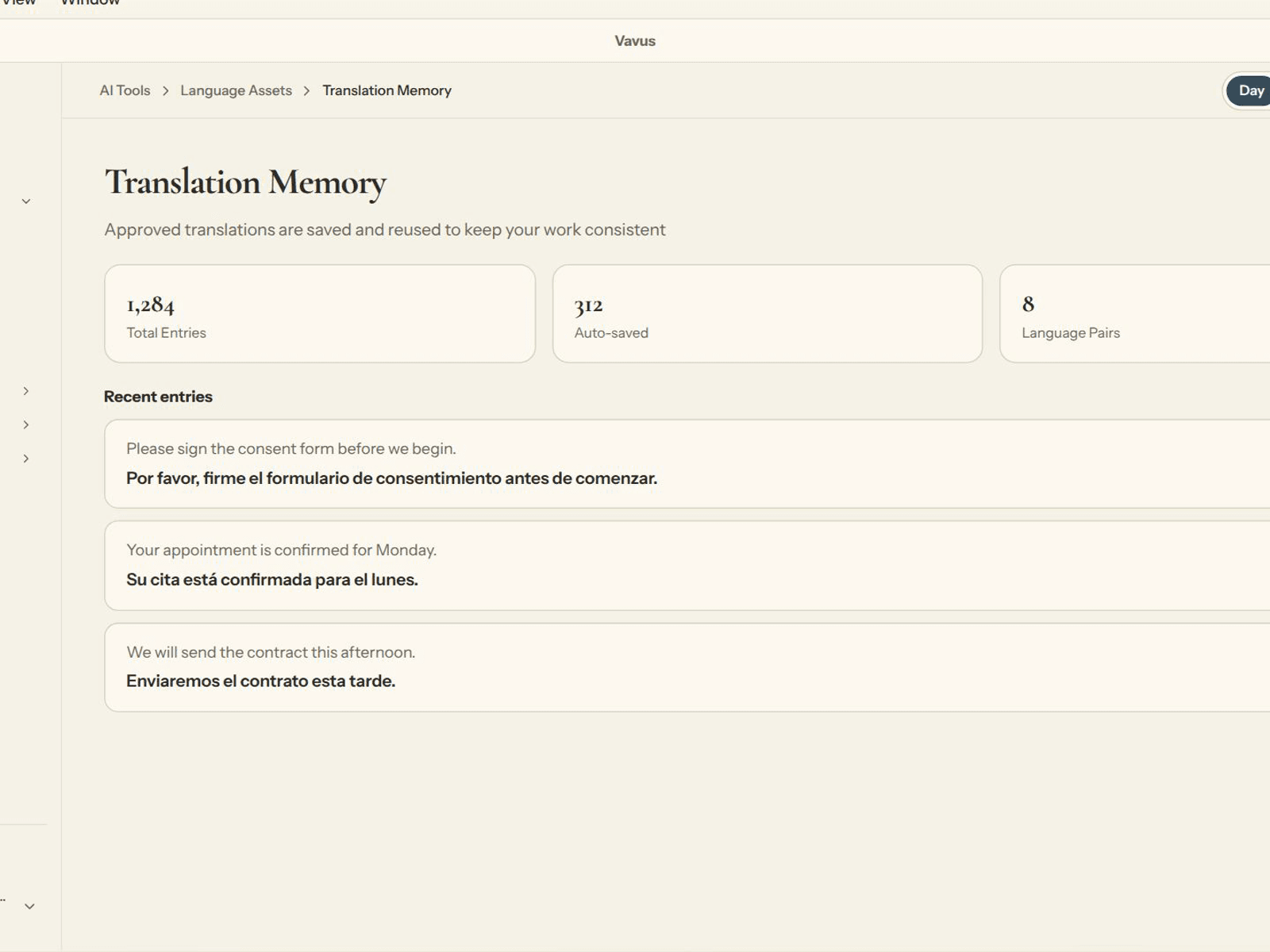
This is exactly the trip Vavus AI was built for — camera translation for the handwritten and Arabic-script stuff, live conversation mode for people, translated calls for bookings, and the Vavus Keyboard for every message before and after. One app, offline-friendly where it matters, so the only thing you have to think about in the medina is which shade of blue to shoot next.
Practical notes
-Getting there: Chefchaouen has no airport or train. Most travelers come by bus or grand taxi from Fes (about 4 hours) or Tangier (about 2.5–3 hours). CTM and Supratours run comfortable coaches; book the popular runs a day ahead in high season.
-When to go: spring and autumn are ideal — mild days, clear mountain light. Summer is hot and busy; winter is cool and can be wet, but the blue looks unreal under a grey sky.
-How long: one night is enough for the medina and a sunset; add a second for the Akchour hike, which is the part most day-trippers never see.
-What to bring: comfortable shoes for steep cobbles, layers for cool mountain evenings, cash in dirhams for the small vendors, and a modest note — Chaouen is a traditional Rif town, so lightweight, covered clothing is respectful and appreciated.
The mind-blowing places are not always hidden. Sometimes they are an entire town painted blue, a few hours off the standard Morocco loop, waiting for the handful of travelers who look sideways from Marrakech and the desert.