Tokyo travel videos are very good at showing the lights. They show Shibuya at night, silent temples in the morning, perfect bowls of ramen, trains arriving exactly when the screen says they will, and streets that somehow stay clean while millions of people move through them.
What the videos rarely explain is the small social operating system underneath those images.
Tokyo is not difficult because it has a secret list of rules designed to catch visitors out. It works because people pay attention to one another: they keep shared spaces quiet, notice where a queue begins, carry what they brought with them, and watch how the room works before assuming their own habits apply.
You do not need to perform every custom perfectly. These six practical habits are enough to make your first days smoother—and to help the city feel less like a beautiful puzzle.
1. Trains are quiet
Tokyo's rail network carries an extraordinary number of people, but the carriage often feels calmer than the platform outside it. That calm is partly intentional.
Talking quietly with another person is usually fine. A phone call is different. Tokyo Metro asks riders to set phones to silent and refrain from talking on them during the ride. The Japan National Tourism Organization gives the same broad guidance for trains and buses: keep your voice down and avoid calls.
If your phone rings, reject the call and send a message. If the conversation cannot wait, step off at the next station or move to an appropriate area on a long-distance train. Headphones should keep sound to yourself, and a large backpack is better held in front of you or placed on a luggage rack when the carriage is busy.
This is not about absolute silence. It is about not forcing everyone around you to join your conversation.
2. The line often starts on the floor
At a busy Tokyo station, the most useful sign may be below eye level.
Platforms frequently use painted lines, arrows, or numbered markers to show where passengers should wait. Stand behind the people already in that lane. When the train arrives, leave space for passengers to get off before the queue moves forward.
The same habit appears beyond transit. People queue at elevators, restaurants, shops, attractions, and sometimes for a food stall that is not even open yet. If you are not sure where the line begins, look at the floor, watch where the last person is standing, or ask.
The official JNTO etiquette guidance is refreshingly simple: people line up, follow the order, and use signs or floor markers where they exist.
3. Carry your trash until you find the right bin
One of Tokyo's strangest first impressions is the combination of very clean streets and relatively few public trash cans.
The missing step is not a hidden cleaning crew following every visitor. People commonly carry their rubbish until they reach a suitable bin or return home. You may find separated receptacles near vending machines, stations, convenience stores, or the place where you bought the item, but you should not assume the next corner will have one.
A small reusable bag in your day pack solves the problem. Keep wrappers, tissues, and empty containers with you, then dispose of them in the correct category when you find a legitimate bin. Do not leave rubbish beside a full bin or push it into a container meant for cans or bottles.
JNTO's responsible-travel guidance explicitly recommends taking trash with you when bins are unavailable. Tokyo's cleanliness makes more sense once you notice that individual habit.
4. Keep some cash even in a cashless city
Tokyo is increasingly easy to navigate with credit cards, contactless payments, and IC transit cards such as Suica or PASMO. That does not make cash obsolete.
A small restaurant, shrine, neighborhood shop, older ticket machine, or coin locker may accept only yen—or may reject the particular foreign card in your wallet. Mobile payment systems can also vary by device and region.
The practical answer is not to carry a large amount. Keep enough cash for a meal, local transport, or an unexpected machine, and use cards where they are clearly accepted. An IC card is useful for transit and many small purchases, but it is not a universal replacement for cash.
JNTO describes Japan as increasingly cashless while still advising travelers to confirm payment methods and prepare cash where necessary. Both things can be true at once.
5. Tipping is not expected
Visitors from tipping cultures often feel uncomfortable leaving a restaurant without adding something. In Japan, adding a tip is generally unnecessary and may create confusion.
Pay the amount shown and say “arigatō gozaimashita”—thank you very much—as you leave. The same general rule applies to cafes, taxis, and hotels.
There is one useful distinction: a disclosed table or cover charge is not a tip. Some izakaya serve a small appetizer and add a seating charge to the bill. If you do not understand a charge, ask what it is before assuming someone has made a mistake.
Private guides or specialized services accustomed to international guests may handle gratuities differently, but the everyday default is straightforward: appreciation is welcome; a tip is not required.
6. Translate before you guess
Central Tokyo has extensive multilingual signage, and many hotels, stations, major attractions, and restaurants are prepared for international visitors. The interesting edge cases are smaller.
A handwritten notice may explain that a shop is closed for the afternoon. A ticket machine may have one important option only in Japanese. A restaurant sign may describe how to order, where to wait, or whether photography is allowed. A staff member may understand some English but feel much more comfortable answering a specific question in Japanese.
That is the moment to translate before guessing.
Use camera translation to understand the sign or menu. Then ask about the part you still do not understand. A useful phrase is:
「すみません、これはどういう意味ですか?」
Sumimasen, kore wa dō iu imi desu ka?
“Excuse me, what does this mean?”
The goal is not to pretend you speak Japanese. It is to replace pointing and assumptions with a clear, respectful question.
A practical translation workflow for Tokyo
Translation is most useful when it disappears into the trip instead of becoming another complicated task.
Before you arrive, use Vavus Keyboard to translate messages to a hotel, host, restaurant, guide, or local contact. Reverse-translate before sending when timing, dietary needs, accessibility, or reservations matter.
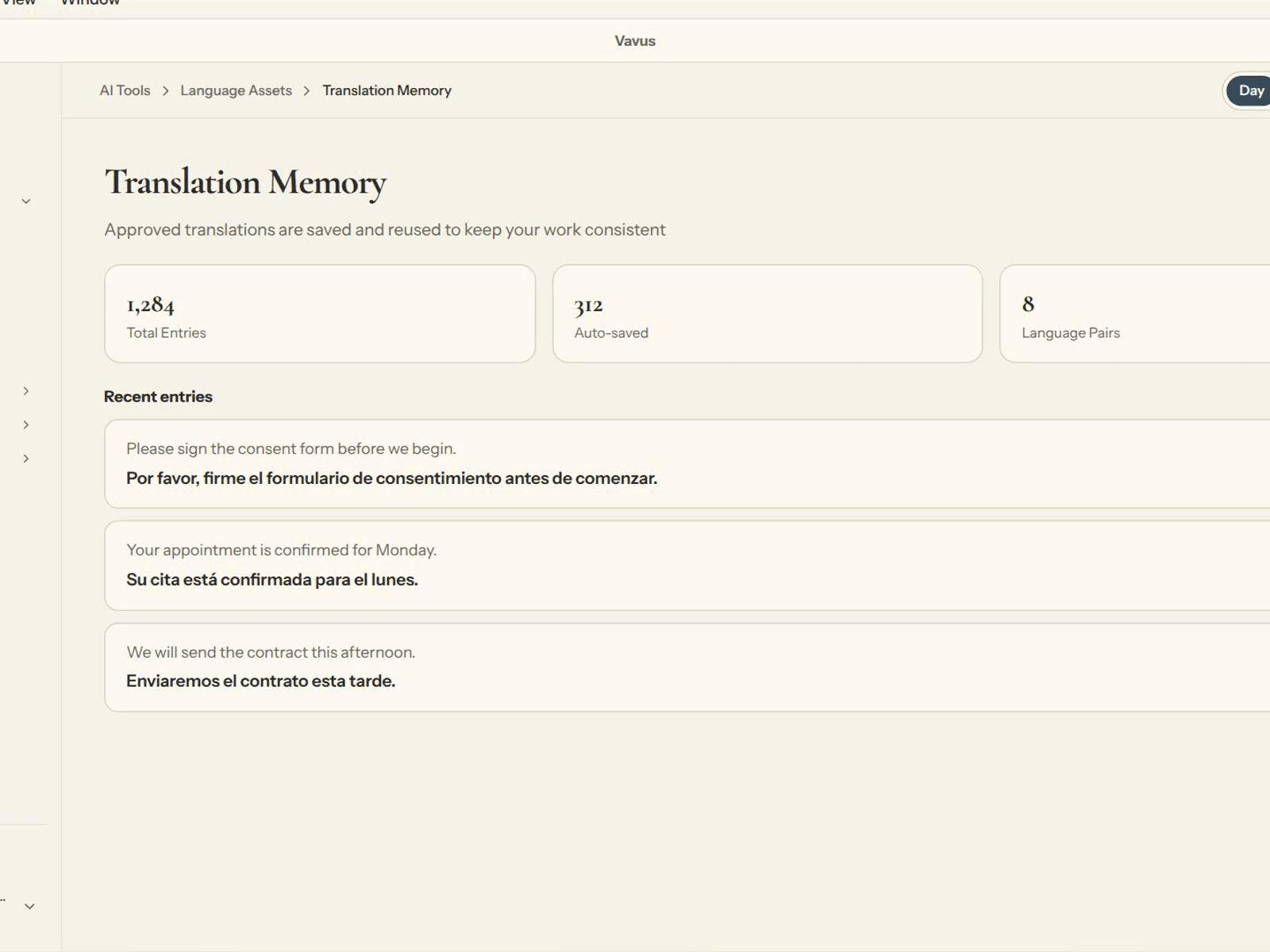
While you are there, use Vavus AI for camera translation, short live conversations, and translated calls. A sign can tell you what is happening; a conversation can tell you why. If someone recommends a neighborhood restaurant or gives you a route that is easier than the map suggests, save the translated note.
Afterward, use the keyboard to send a thank-you or confirm the next step in the other person's language. That final message often matters more than trying to produce a perfect phrase in the moment.
Vavus does not replace local awareness. It helps you act on it.
The rule behind all six rules
Tokyo etiquette becomes much easier when you stop treating it as a test.
The shared principle is consideration: do not make your phone call everyone else's phone call; do not invent a new queue; do not leave someone else to handle your rubbish; do not assume your payment or tipping habits are universal; and do not guess when you can ask.
Watch what people around you are doing. Read the signs. Translate what you cannot read. Ask when you are unsure.
That is how the city moves from viral backdrop to a place you can actually understand.
Sources
-Japan National Tourism Organization FAQ
-JNTO Japanese customs and etiquette
-Tokyo Metro: things to consider when riding the subway
-JNTO cashless payments in Japan
-JNTO tipping in Japan
Learn more about travel translation at https://vavusai.com.